In this article, we will delve into the concept of fork in chess, explore their significance in chess strategy, and analyze exemplary games showcasing effective fork tactics.
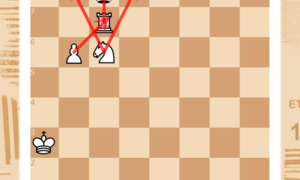
A fork in chess is a tactical move where a single piece simultaneously attacks two or more opponent pieces, creating a double threat.
This forces the opponent to make a difficult choice, either sacrifice one of the attacked pieces or find a way to defend both.
Forks are powerful tactical weapons, often leading to material gain and strategic advantages.

Understanding Forks
Forks are a manifestation of the tactical aspect of chess, where players exploit the vulnerability of opponent pieces.
They can occur at any stage of the game, from the opening to the endgame, and can involve various pieces such as knights, bishops, rooks, and even the queen.
The key elements of a fork include
Here are the key elements of fork which include double threat, material gain, and coordination.
Double Threat
A fork involves attacking two or more opponent pieces simultaneously. This places the opponent in a challenging position, as defending both pieces may be impossible.
Material Gain
The primary goal of a fork is to gain material advantage. By capturing one of the opponent’s pieces, the player executing the fork aims to tip the balance of material in their favor.
Coordination
Forks often rely on the coordination of pieces, exploiting the opponent’s lack of coordination or poor positioning.
Exemplary Chess Games of Forks Theme in Chess
Let’s explore a couple of exemplary chess games where forks played a crucial role.
Example 1: Paul Morphy vs. Count Isouard and the Duke of Brunswick (1858)
One of the most famous games played by the legendary Paul Morphy involved a fork. Let’s watch the game.
Here, at move 7 white attacked the pawn on f7 and b7 at the same time and this is called Fork in chess where you attack two enemy pieces at the same time. The question that arose here was why white didn’t capture the b7 pawn, I will leave this question for you, submit your answer via comments below.
Example 2: Spassky vs Averkin (1973)
In this game, at move 27 Spassky forked rook and pawn on g7 with checkmate threat. Let’s watch the game until you reach move 27.
I hope you found the fork and its meaning, basically when you attack two pieces at the same time and your opponent has only the option to save one of them that is called the fork.
In our chess games, we have a lot of ideas and options to fork but we do not think about it, on the contrary, all the title players have a good ability to find weaknesses in the opponent’s camp and they exploit it very easily.
Example 3: Dueckstein, Andreas vs Johannsson, Ingi Randver (Knight Fork)
In this game at move 28 white delivered a classical fork with the knight. The knight is a very powerful piece when it comes to the fork because the knight attacks many squares simultaneously. Let’s watch the game.
Example 4: Yates vs Reti [Double Threat with Knight]
Again in this example knight’s fork forced the player to resign, let watch the game.
Example:5 Karolyi vs Ruf [Find the move]
This game ended as a draw but can you find the tactical shot that white has, it’s also related to fork, when you find it post it in comments below.
Conclusion:
In conclusion, the fork in chess stands out as a tactical masterpiece. It’s a strategic move where a single piece simultaneously attacks two or more opponent pieces, forcing them into a tough choice. The effectiveness of the fork lies in creating a dilemma for the opponent, often leading to a favorable exchange of material.