In this article, I have covered all lines of smith morra gambit accepted and its variations including theory and ideas with exemplary chess games.
If you are e4 player then I suggest you to try Smith Morra Gambit Accepted in your games for attacking game play.
Because smith morra gambit accepted gives you two to three extra moves and you have a huge advantage in development.
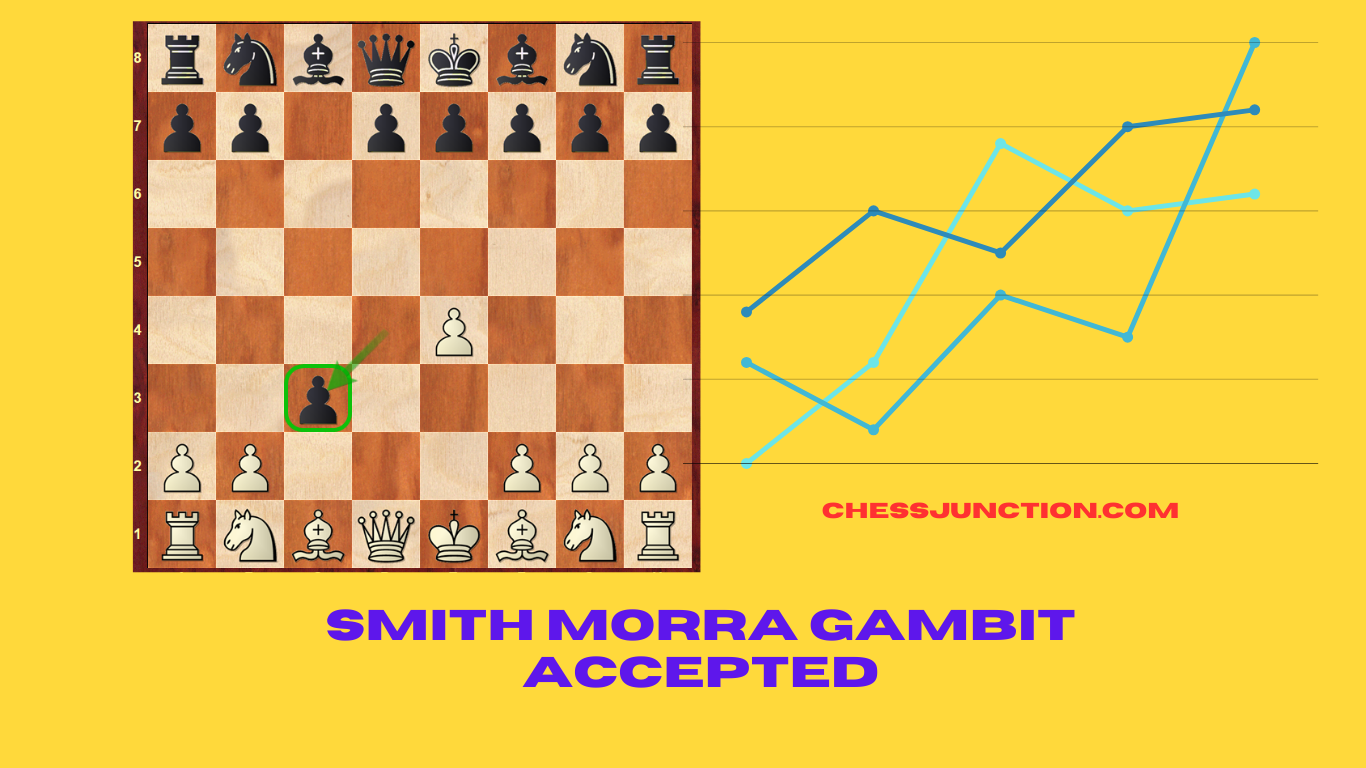
Let’s start with the first few moves of opening with white pieces until you reach in smith morra gambit accepted variation.
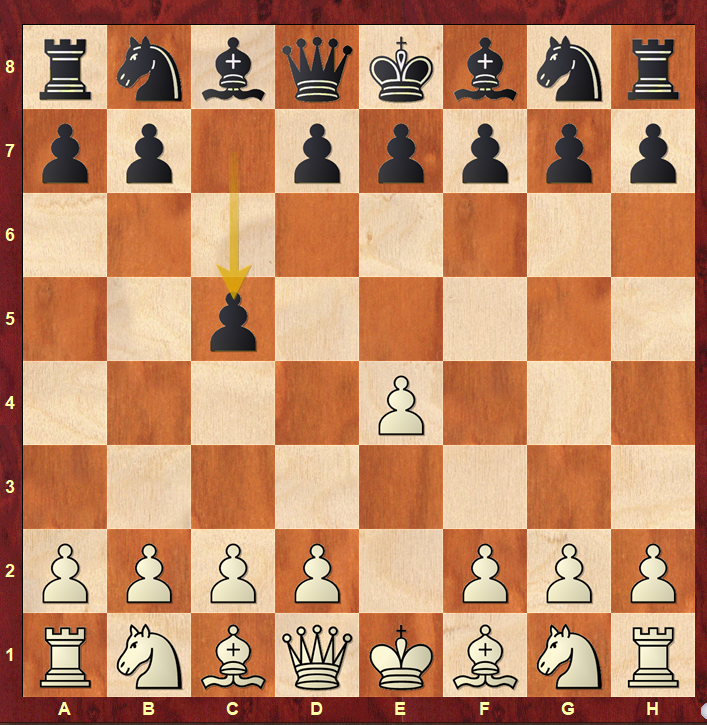
1.e4 c5
White opens the game with 1.e4 and black replies with 1.c5 move.
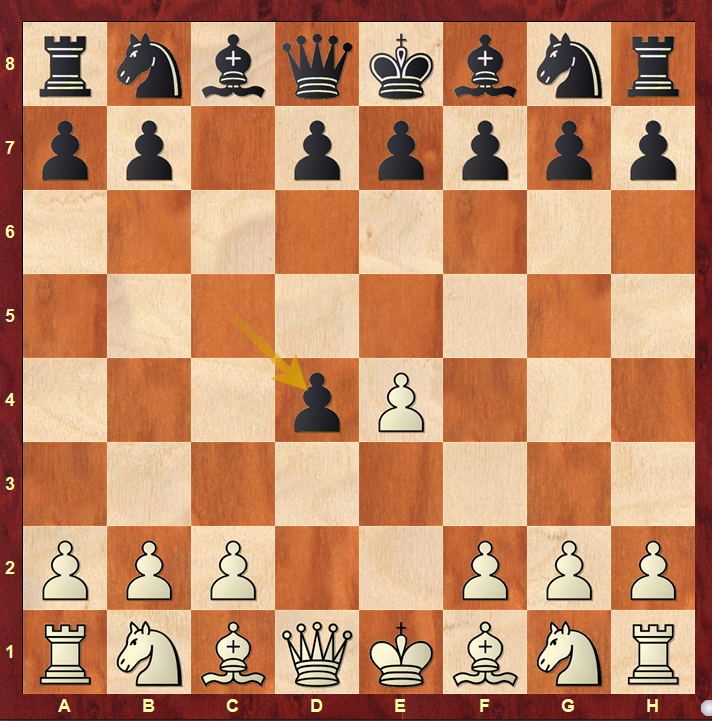
2.d4 cxd4
White plays d4 move and black captures with cxd4.
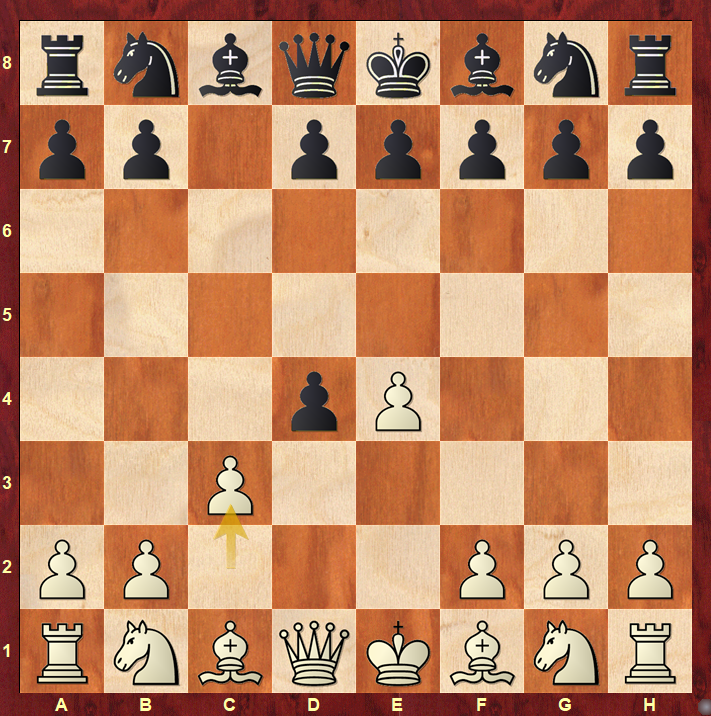
3. c3 white offers another pawn for entering into smith morra gambit accepted.
3. dxc3 black accepts the pawn and now white enters his favorite smith morra gambit accepted variation.
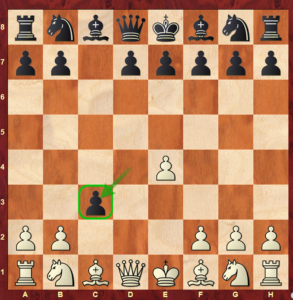
Theory of Smith Morra Gambit Accepted
The theory of this gambit is very simple and straight forward, white sacrifices c3 pawn in order to get two tempos, which means white is two move ahead from black.
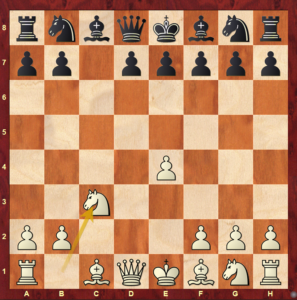
White is ahead of development
In above position, white is ahead of two moves from black and now black has the problem of his king side’s development.
This is the position where we will study the accepted line of smith morra gambit and I will explain some main lines and sidelines.
And about how the game will continue and how white gets advantage of development against black pieces and how white converts this advantage into a win, all will be explained in below variations.
List of variation in Smith Morra Gambit Accepted
After reaching above position black has few main lines and side lines which are mentioned below,
- 4.Nc6
- 4.e6
- 4.d6
- 4.a6
- 4.g6
- 4.e5
- 4.nf6
- 4.b6
- 4.Qc7
Now let’s watch one game in every variation to understand smith mora gambit theory and learn how it works and what to on each move.
Let’s start when black replies with Nc6.
Black Replies 4.Nc6 in smith morra gambit accepted
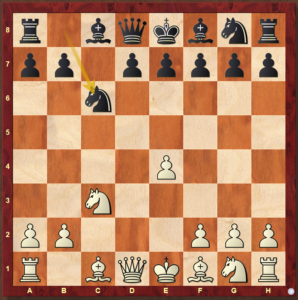
The idea of black’s move is to control the e5 square because white often pushes e5 move to gain more space and kick away black’s knight on f6.
Another use of black’s knight is to control the d4 square indirectly.
Let’s watch one game, in order to know how white should continue from this position.
Game 1 in Nc6 variation
Game 2 in Nc6 variation
In above both games, white took the advantage of development and converted into a win.
Please remember a rule that:
When you have advantage in piece development, you should try to look for tactics especially sacrifices in order to launch direct attack on your opponent’s king.
Black replies 4.d6 in smith morra gambit accepted
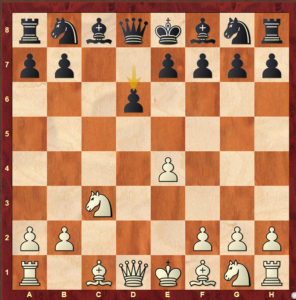
The idea behind black’s 4.d6 move is, to prevent e5 move and in the meantime it opens diagonal for black’s dark square bishop, which is often difficult to develop.
Let’s see how white handles this idea and gets advantage.
Game 1 in d6 variation
In above game, although black made a blunder by taking white’s knight on f3 and because black exchanged his only developed piece, that’s why black went into trouble and lost the game.
Game 2 in d6 variation
Black replies with 4.a6
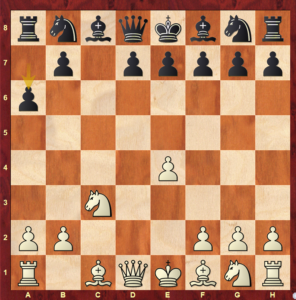
The idea behind a6 in smith morra gambit accepted is to prevent Nb5 and playing b5 in future for gaining space on queenside and may develop his light square bishop.
Let’s watch one game and see how white gets advantage against a6 move.
Game 1 in a6 variation
Black replies with 4.g6
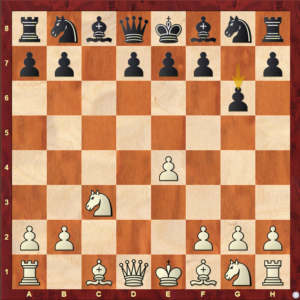
The idea behind g6 move is very clear, black just wants to avoid central fight for the time being and focus solely on development and safety of his king, by getting castling as soon as possible, and to avoid any tactical shots from white.
Game 1 in g6 variation
Black replies with 4.e5
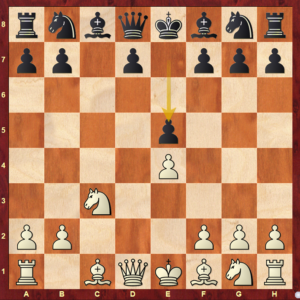
This is so far most natural move, challenging white’s knight and controlling d4 square.
This move also open diagonal for kings bishop to develop, but it also has drawback which is weakness of d4 pawn.
Let’s see how white handles this position.
Game 1 in e5 variation
Black replies with Nf6
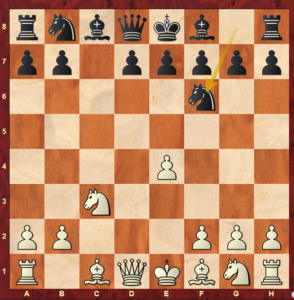
What is the idea behind this move? the black tricks white to push his e4 pawn, if white pushes immediately then this pawn will be weak, but the question arises here that will black gets compensation for it?
Let’s see how white should play against this idea.
Game 1 in Nf6 variation
Black replies with b6
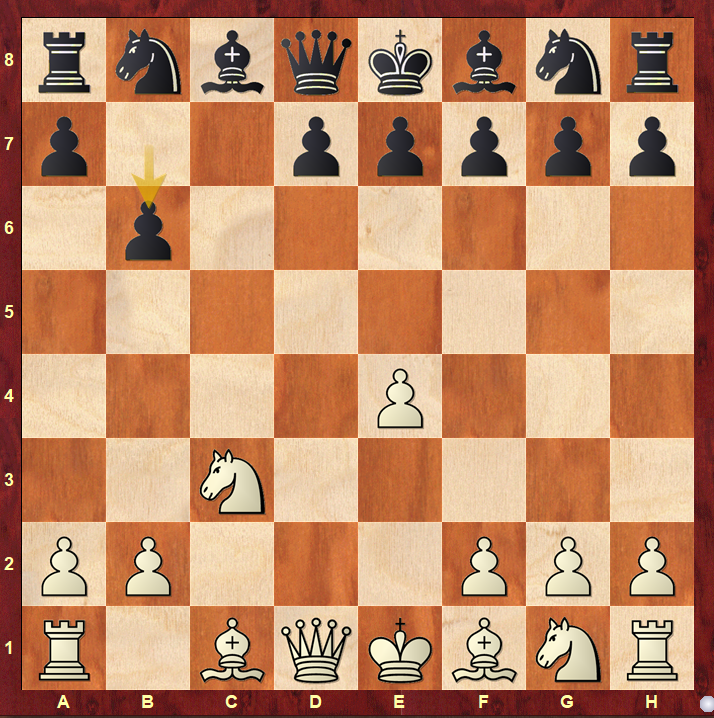
The idea is very much clear, black wants to develop his queenside bishop as soon as possible and wants to put pressure on e4.
Let’s see how white counters this idea.
Game 1 in b6 variation
Game 2 in b6 variation
Black replied with Qc7
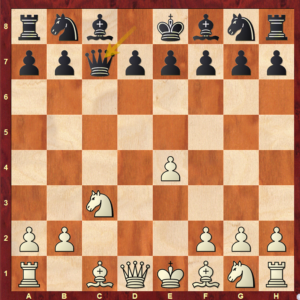
This move in Sicilian defense is called universal move, the idea behind is to control the square of e5 immediately, and it prepares move d6 or a6 followed by b6.
Let’s see how white handles this universal move.
Game 1 in Qc7 variation
Conclusion:
I have covered all main lines and logical and natural moves in smith morra gambit accepted with explanation and exemplary chess games.
I hope that you learned a lot from these chess games and ideas are now clear and now you should be able to take advantage of the development in any opening.

![Evans Gambit Accepted [Attack and Win]](https://chessmars.com/blog/wp-content/uploads/2023/01/The-evans-Gambit-269x180.png)